
Your Credit is our Credibility
We strive to provide you the quickest and most significant score increases in the shortest amount of time possible to allow you to start using your credit the way you need.
We work to strengthen credit files and improve scores with all 3 bureaus
All 3 credit scores are very important, especially when you are applying for a home loan. A mortgage loan officer will usually base qualification, loan type and annual percentage rate off your middle of the three scores. All three bureaus will need dedicated attention in order to improve each credit file.
WL Credit will help with everything you need in order to have the good credit you deserve.




Start Improving Your Credit Score Today
Don’t delay. So much is riding on your credit scores... your car loan, your home loan, your credit cards, your rates, your utilities, your next JOB!
Credit Reports & Scores
3 Scores is here to give you the tools to a better credit future. With our 3 Scores credit monitoring membership,
we supply you with all three of your credit scores & reports.
See how we can assist you on your credit journey.
Simple
$
per month
19
95- 1 Email Account
- 1 Domain Name
- 1GB Space
- 5GB Bandwidth
- Add to cart
Professional
$
per month
24
95- 5 Email Accounts
- 3 Domain Names
- 10GB Space
- 50GB Bandwidth
- Add to cart
Advanced
$
per month
29
95- 10 Email Accounts
- 10 Domain Names
- 100GB Space
- 500GB Bandwidth
- Add to cart
What we remove from your credit?
Sed pede ullamcorper amet ullamcorper primis, nam pretium suspendisse neque, a phasellus sit pulvinar vel integer.
Public Records
Sed pede ullamcorper amet ullamcorper primis, nam pretium suspendisse neque, a phasellus sit pulvinar vel integer.
Information
Sed pede ullamcorper amet ullamcorper primis, nam pretium suspendisse neque, a phasellus sit pulvinar vel integer.
Inaccuracies
Sed pede ullamcorper amet ullamcorper primis, nam pretium suspendisse neque, a phasellus sit pulvinar vel integer.
Sed pede ullamcorper amet ullamcorper primis, nam pretium suspendisse neque, a phasellus sit pulvinar vel integer.
Inquiries
Sed pede ullamcorper amet ullamcorper primis, nam pretium suspendisse neque, a phasellus sit pulvinar vel integer.
Sed pede ullamcorper amet ullamcorper primis, nam pretium suspendisse neque, a phasellus sit pulvinar vel integer.
Late Payments
Sed pede ullamcorper amet ullamcorper primis, nam pretium suspendisse neque, a phasellus sit pulvinar vel integer.
Repossessions
Sed pede ullamcorper amet ullamcorper primis, nam pretium suspendisse neque, a phasellus sit pulvinar vel integer.
Sed pede ullamcorper amet ullamcorper primis, nam pretium suspendisse neque, a phasellus sit pulvinar vel integer.
FAQ
Chapter 13 bankruptcy is also known as "wage earner" bankruptcy because, in order to file for Chapter 13, you must have a reliable source of income that you can use to repay some portion of your debt. And to qualify for Chapter 13, your secured debts must be less than $922,975 and your unsecured debts less than $307,675.
When you file for Chapter 13 bankruptcy you propose a repayment plan that details how you are going to pay back your debts over the next three to five years. The minimum amount you'll have to repay depends on how much you earn, how much you owe, and how much your unsecured creditors would have received if you'd filed for Chapter 7.
If you have secured debts, Chapter 13 gives you an option to make up missed payments to avoid repossession or foreclosure. You can include these past due amounts in your repayment plan and make them up over time.
When you file for Chapter 13 bankruptcy you propose a repayment plan that details how you are going to pay back your debts over the next three to five years. The minimum amount you'll have to repay depends on how much you earn, how much you owe, and how much your unsecured creditors would have received if you'd filed for Chapter 7.
If you have secured debts, Chapter 13 gives you an option to make up missed payments to avoid repossession or foreclosure. You can include these past due amounts in your repayment plan and make them up over time.
The three credit bureaus are: Equifax, Experian, and TransUnion. The websites are www.equifax.com, www.experian.com, and www.transunion.com, respectively.
Fair Isaac is not a credit bureau. It is the company who develops and maintains the FICO score.
Fair Isaac is not a credit bureau. It is the company who develops and maintains the FICO score.
As Armor Credit is engaged in the dispute process with the credit bureaus, your score may change periodically. When disputing 'negative' information on your credit report, the credit bureaus will remove the item(s) in question until it is verified, modified, or deleted. Since we are disputing primarily 'negative' items on your report, your score may increase during the process because the negative item is removed until the investigation is over. This temporary score is not necessarily an indicator of your final credit score. (Disputing personal information such as an incorrect address or date of birth will not typically affect your credit score.) Upon completion of the dispute process, your credit report will then show the new score. Keep in mind that each credit bureau has different criteria for determining your score, which is why your score varies from bureau to bureau.
When reviewing your credit to decide if you should keep an account open or closed you need to consider its affect on your credit score. It is good to only have about 3-5 open credit cards so when you decide to close some of them you will want to close the accounts that were opened recently. Older accounts have more payment history and closing them usually results in lowering your credit score. However, what you choose to do with these accounts once they have been paid off is up to you.
Another item to keep in mind when you are paying off credit accounts is that credit card balances over 30 percent of the credit limit negatively affects your credit score, so try to keep your balances below 30% of your credit limit. Naturally, having accounts that are paid off will not hurt your credit score.
Another item to keep in mind when you are paying off credit accounts is that credit card balances over 30 percent of the credit limit negatively affects your credit score, so try to keep your balances below 30% of your credit limit. Naturally, having accounts that are paid off will not hurt your credit score.
A charge off is a credit account that you did not pay and then the creditor wrote the account off as a loss. A settlement is an account that went past due, maybe even charged off, and then you negotiate a pay off amount that is less than the full balance due. Once you pay that negotiated amount in full then the account reports as a settlement. As consumers we depend on credit bureaus to report information accurately. Unfortunately, this is not always the case. In fact, it is the minority. Seventy-nine percent of all credit reports contain inaccuracies - meaning that we all must be diligent in monitoring our credit reports and take immediate action when mistakes are discovered. In our expectations of being treated fairly, we assume that if one negative item on our credit report is considered equal to another item; the credit bureaus have to be fair and accurate when reporting the item. Credit bureaus sometimes 'generalize' and will argue that 'Settlements' and 'Charge Off' are the same, when in fact, they are not. It is up to us to insist they investigate these items and change the incorrect information, or if they cannot verify the information within 30 days, then they need to delete the item. This is one of your rights under the Fair Credit Reporting Act. We remain steadfast in pursuing these items.
Part of your credit score considers the number of inquiries made for your credit report. Credit inquiries are placed on your credit report each time a business requests a copy of your report. The Fair Credit Reporting Act (FCRA) requires businesses to have an acceptable reason for accessing your credit report. Acceptable reasons include:
To grant credit
Collect a debt
Underwrite insurance
Employment
License issuing by some government agencies
Legitimate business transactions
Each inquiry that reports can drop your credit score anywhere from 2-5 points. The inquiries on your credit report will remain for two years but only affect your credit score for one year.
To grant credit
Collect a debt
Underwrite insurance
Employment
License issuing by some government agencies
Legitimate business transactions
Each inquiry that reports can drop your credit score anywhere from 2-5 points. The inquiries on your credit report will remain for two years but only affect your credit score for one year.
Based on the laws that the Fair Credit Reporting Act has set, it is legal for credit bureaus to send out letters to notify consumers of a response to a dispute or other information (such as informing someone that the bureau is not going to investigate or reinvestigate an item). They also can stall the process by requesting personal information such as your identity for validation purposes. The credit bureaus write these vague and sometimes confusing letters, mostly with the intent of stalling consumers, hoping that the dispute will not be pursued. They also send these letters out hoping to scare consumers away. If they state legal terms or ask for a lot of documentation they hope you will feel defeated and not pursue the issue any further. This is commonplace and happens to the majority of consumers who send disputes to the credit bureaus; however, persistence will eventually warrant a response. At Armor Credit Solutions, we know how the bureaus operate and we are diligent in our efforts to accomplish the results you are seeking and remove the inaccurate information from your credit report.
Our experience (and dedication to our clients) in working with the credit bureaus facilitates the credit repair process because we are more likely to anticipate the tactics and responses of the credit bureau. Members of our professional team have 20+ years experience in interacting with the bureaus and creditors and have gained insight in regards to efficiently and effectively disputing credit report errors. We stay current on consumer credit laws and economic issues, and we utilize the newest technology and proven techniques to ensure successful removal of inaccurate credit report information for our clients.
Yes. Depending on your time, patience, perseverance, and complexity of your dispute, you can successfully dispute inaccurate credit report items on your own. However, credit bureaus' strategies and tactics make the process often time consuming, overly burdensome and ineffective for the consumer. Disputing items is not difficult; getting results is. Remember, these are billion dollar companies that pad their pockets with consumers with lower credit scores. For this reason, the bureaus are often not too cooperative with your disputes.
The Fair Credit Billing Act applies if you are a creditor billing customers for goods or services. The Act requires creditors to acknowledge consumer billing complaints promptly in writing and to investigate billing errors. The Act prohibits creditors from taking actions that adversely affect the consumer's credit standing until the investigation is completed, and affords other consumer protections during disputes. The Act also requires that creditors promptly post payments to the consumer's account and either refund overpayments or credit them to the consumer's account.
Absolutely! It is your legal right to dispute items on your credit report. Armor Credit Solutions exercises your legal rights pursuant to the Fair Credit Reporting Act, the Fair Credit Billing Act, Truth in Lending Act, and Fair Debt Collection Practices Act, as well as other applicable Federal statutes. Armor Credit Solutions helps consumers with credit reports that contain information that is inaccurate, misleading, incomplete or unverifiable.
Be cautious of any company that claims it can improve or remove items on your credit reports that are 100% accurate and correct, they may be violating Federal Statutes. We recommend that you stay away from services that recommend that you attempt to obtain a new/alternate social security number, attempt to create a consumer credit profile under a EIN, or create "fake" credit profiles by intentionally reporting false data. These tactics can be illegal and/or unethical and, if caught, can result in significant personal liability.
Be cautious of any company that claims it can improve or remove items on your credit reports that are 100% accurate and correct, they may be violating Federal Statutes. We recommend that you stay away from services that recommend that you attempt to obtain a new/alternate social security number, attempt to create a consumer credit profile under a EIN, or create "fake" credit profiles by intentionally reporting false data. These tactics can be illegal and/or unethical and, if caught, can result in significant personal liability.
A garnishment is a legal proceeding where a creditor can obtain a judgment on a debt to collect the payment in installments or in full by seizing the debtor’s assets (a bank account, their paycheck, etc.). The most common form of garnishment is wage garnishment. The most common debts for garnishments are: child support, Federal taxes, state taxes, unpaid judgments, student loans, court fines, and even credit card debt. If you do not pay your Federal Taxes or your Child Support they will submit the documentation to the court and get a court order and send it straight to your payroll office. Next thing you know your next paycheck is missing $200.
A lien is a "claim" or hold on a property to secure repayment of a debt or satisfaction of a debt. Liens can be consensual or not. Some liens are consensual because of a contract between the debtor and the creditor. Examples of consensual liens are: Mortgages, Car Loans, and Secured Credit Cards. An example of a Non Consensual lien is a tax lien. If you do not pay your Federal taxes, the IRS will put a lien on your property. This ensures the government that when you sell your home they will get paid first.
The Fair Credit Reporting Act is the law put in place to protect consumers and regulate the consumer reporting agencies (CRAs). Commonly known as the FCRA, it was put in place to provide guidelines for the Credit Bureaus to make sure there is consistency between them, to make sure that accurate information is being reported, and to protect consumers from inaccurate information. It is also in place to ensure that credit bureaus and resellers of consumer reports provide information to creditors, insurers, employers, and others, do so with due regard for the confidentiality, accuracy, and legitimate use of such data. When those parties take adverse action on the basis of information in a credit report, they must identify the CRA that provided the report so that the consumer can learn how to get a copy to verify or contest its accuracy and completeness. Creditors and others may not knowingly provide false information to CRAs, which are required to maintain reasonable procedures to ensure the maximum possible accuracy of their data.
The FCRA also states that you are entitled to a free copy of your credit report if you've been denied credit, insurance or employment and request the report within 60 days of notice.
The FCRA also states that you are entitled to a free copy of your credit report if you've been denied credit, insurance or employment and request the report within 60 days of notice.
The federal Fair Debt Collection Practices Act or FDCPA prohibits certain debt collectors from engaging in abusive behavior. It covers debt collectors who work for collection agencies. It does not cover debt collectors that are employed by the original creditor (the business or person who first extended you credit or loaned you money). If a debt collector that works for a collection agency breaks the law, you can take steps to make sure it doesn't happen again.
The federal Fair Debt Collection Practices Act or FDCPA prohibits certain debt collectors from engaging in abusive behavior. It covers debt collectors who work for collection agencies. It does not cover debt collectors that are employed by the original creditor (the business or person who first extended you credit or loaned you money). If a debt collector that works for a collection agency breaks the law, you can take steps to make sure it doesn't happen again.
Bankruptcy is a federal court process designed to help consumers and businesses eliminate their debts or repay them under the protection of the bankruptcy court. Bankruptcies can generally be described as "liquidations" or "reorganizations."
Chapter 7 bankruptcy is the liquidation variety -- property is sold (liquidated) to pay off as much of your debt as possible, while leaving you with enough property to make a fresh start. Chapter 13 is the most common type of "reorganization" bankruptcy for consumers -- you repay your debts over three to five years.
Both kinds of bankruptcy have numerous rules -- and exceptions to those rules -- about what kinds of debts are covered, who can file, and what property you can and cannot keep. Bankruptcies, of any kind, stay on your credit report for 10 years. All decisions regarding bankruptcy should be considered very carefully and not taken lightly.
Chapter 7 bankruptcy is the liquidation variety -- property is sold (liquidated) to pay off as much of your debt as possible, while leaving you with enough property to make a fresh start. Chapter 13 is the most common type of "reorganization" bankruptcy for consumers -- you repay your debts over three to five years.
Both kinds of bankruptcy have numerous rules -- and exceptions to those rules -- about what kinds of debts are covered, who can file, and what property you can and cannot keep. Bankruptcies, of any kind, stay on your credit report for 10 years. All decisions regarding bankruptcy should be considered very carefully and not taken lightly.
Liquidation bankruptcy is called Chapter 7, and it can be filed by individuals (a "consumer" Chapter 7 bankruptcy) or businesses (a "business" Chapter 7 bankruptcy). A Chapter 7 bankruptcy typically lasts three to six months.
In a liquidation bankruptcy, some of your property may be sold to pay down your debt. In return, most or all of your unsecured debts will be erased. You get to keep any property that is classified as "exempt" under the state or federal laws available to you (such as your clothes, car, and household furnishings). If you don't own much, chances are that all of your property is exempt and you have what is known as a "no asset" case.
If you owe money on a secured debt (for example, a car loan, where the car is pledged as a guarantee of payment), you have a choice of allowing the creditor to repossess the property; continuing your payments on the property under the contract (if the lender agrees); or paying the creditor a lump sum amount equal to the current replacement value of the property. Some types of secured debts can be eliminated in Chapter 7 bankruptcy.
Not everyone can file for Chapter 7 bankruptcy. For example, if your disposable income is sufficient, after subtracting certain allowed expenses and monthly payments for certain debts (including child support and debts that secure property), to fund a Chapter 13 repayment plan, you won't be allowed to file Chapter 7.
Bankruptcy doesn't work on some kinds of debts. Though bankruptcy can eliminate many kinds of debts, such as credit card debt, medical bills, and unsecured loans, there are many types of debts, including child support and spousal support obligations and most tax debts that cannot be wiped out in bankruptcy.
In a liquidation bankruptcy, some of your property may be sold to pay down your debt. In return, most or all of your unsecured debts will be erased. You get to keep any property that is classified as "exempt" under the state or federal laws available to you (such as your clothes, car, and household furnishings). If you don't own much, chances are that all of your property is exempt and you have what is known as a "no asset" case.
If you owe money on a secured debt (for example, a car loan, where the car is pledged as a guarantee of payment), you have a choice of allowing the creditor to repossess the property; continuing your payments on the property under the contract (if the lender agrees); or paying the creditor a lump sum amount equal to the current replacement value of the property. Some types of secured debts can be eliminated in Chapter 7 bankruptcy.
Not everyone can file for Chapter 7 bankruptcy. For example, if your disposable income is sufficient, after subtracting certain allowed expenses and monthly payments for certain debts (including child support and debts that secure property), to fund a Chapter 13 repayment plan, you won't be allowed to file Chapter 7.
Bankruptcy doesn't work on some kinds of debts. Though bankruptcy can eliminate many kinds of debts, such as credit card debt, medical bills, and unsecured loans, there are many types of debts, including child support and spousal support obligations and most tax debts that cannot be wiped out in bankruptcy.
The Truth in Lending Act is federal law which sets minimum standards for the information which a creditor must provide in an installment credit contract. The Truth in Lending Act requires creditors who deal with consumers to disclose information in writing about finance charges and related aspects of credit transactions, including finance charges expressed as an annual percentage rate. The amount being financed, the amount of the required minimum monthly payment, the total number of monthly payments, and the APR must all be provided to the debtor prior to entering into the consumer credit contract. The Act also establishes certain requirements for the advertisement of credit terms. Overall, the goal is to enable you to make accurate comparisons of offers of credit.




BUY DREAM HOME
Sed pede ullamcorper amet ullamcorper primis, nam pretium suspendisse neque, a phasellus sit pulvinar vel integer.

DREAM CAR
Sed pede ullamcorper amet ullamcorper primis, nam pretium suspendisse neque, a phasellus sit pulvinar vel integer.
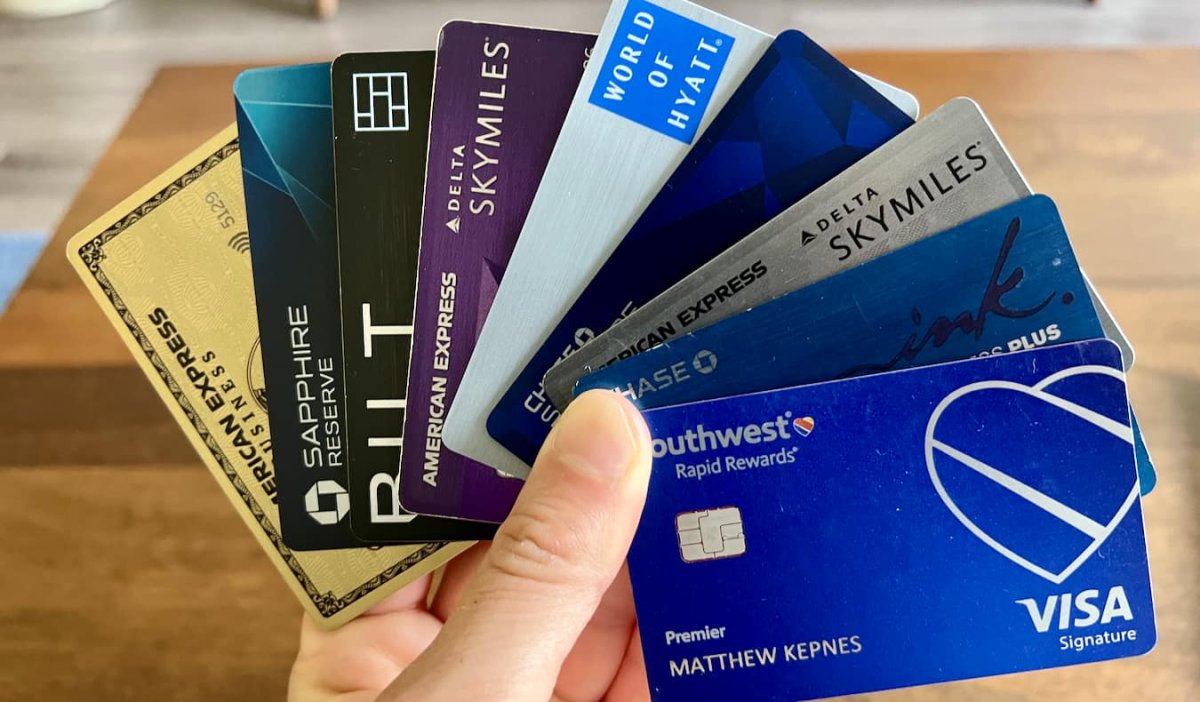
ALL MAJOR CREDIT CARD
Sed pede ullamcorper amet ullamcorper primis, nam pretium suspendisse neque, a phasellus sit pulvinar vel integer.
Client Reviews and Testimonials
Sed pede ullamcorper amet ullamcorper primis, nam pretium suspendisse neque, a phasellus sit pulvinar vel integer.
„Sed pede ullamcorper amet ullamcorper primis, nam pretium suspendisse neque, a phasellus sit pulvinar vel integer.”

Home
– Jane Doe
– Jane Doe
„Sed pede ullamcorper amet ullamcorper primis, nam pretium suspendisse neque, a phasellus sit pulvinar vel integer.”

Home
– Joe Doe
– Joe Doe
„Sed pede ullamcorper amet ullamcorper primis, nam pretium suspendisse neque, a phasellus sit pulvinar vel integer.”

Home
– John Doe
– John Doe